February 11, 2026 · Operation Forgotten Heroes
Peer Support: Why the Most Powerful Recovery Tool Is Someone Who's Been There
No clinical training replaces the credibility of lived experience.
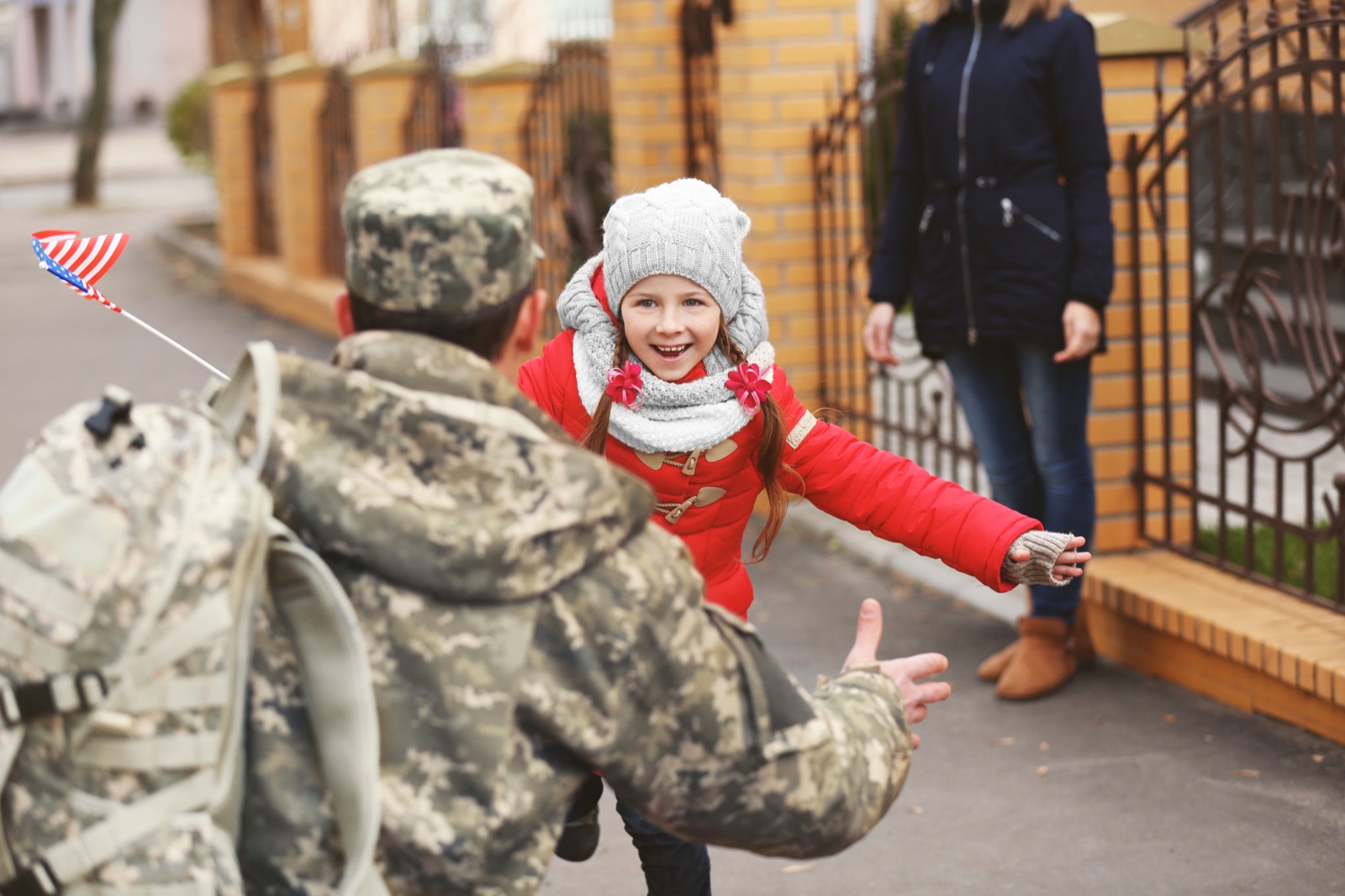
When a veteran is at their lowest — struggling with PTSD, battling addiction, wondering if there is any way out — the voice that reaches them most often isn't a therapist's or a counselor's. It's the voice of someone who has been exactly where they are and found a way through.
This is the foundation of peer support, and it is why Operation Forgotten Heroes is built around it. Our leadership and our outreach team are made up of veterans and people in recovery — people who carry the lived experience that no degree can replicate. When we sit down with a veteran who has lost hope, we are not asking them to trust a stranger. We are asking them to trust someone who has walked the same road.
What the research says
The evidence behind peer support is substantial. Studies consistently show that veterans engaged with peer specialists have higher rates of treatment engagement, lower rates of hospitalization, and stronger long-term recovery outcomes than those receiving clinical services alone. The VA has expanded its peer support specialist program significantly over the past decade for exactly this reason.
But research aside, the reason peer support works is simple: it answers the question every veteran in crisis is silently asking — “Is there actually a way out of this?” When the person sitting across from you has been through addiction, trauma, and hopelessness and is now living proof that recovery is real, that question gets answered without a word being spoken.
Peer support within the OFH model
At OFH, peer support is not a single conversation — it is a continuous presence. We stay with veterans through the hard moments that happen after the initial crisis: the housing instability, the court dates, the days when recovery feels impossible. Having someone in their corner who has navigated those same obstacles is often the difference between staying on the path and giving up.
If you are a veteran who is struggling, or if you know one, we are here. And we understand — because we have been there too.