July 11, 2026 · Operation Forgotten Heroes
When Celebration Sounds Like Combat: Fireworks Season and Veteran PTSD
For much of the country, summer fireworks mean celebration. For a veteran living with PTSD, the same sound can mean something very different.
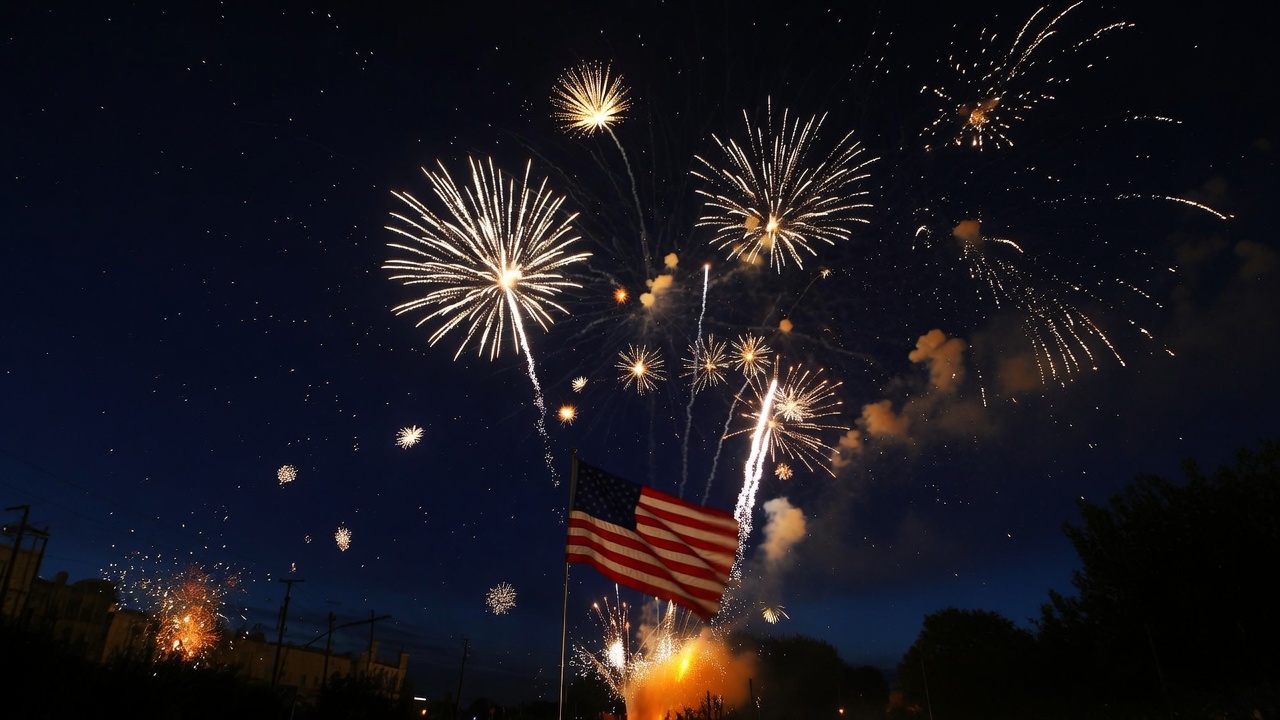
Every year, as the Fourth of July approaches and the weeks around it fill with backyard celebrations, a quieter reality sets in for thousands of veterans. The sudden crack of fireworks — unannounced, close, and often lasting well into the night — can pull a veteran with PTSD straight back into a moment they have spent years trying to leave behind.
It is not weakness, and it is not overreaction. It is the way a brain that was trained to survive responds to a sound it associates with danger.
Why fireworks hit so hard
For a service member who spent time in combat, loud, unexpected explosions were once a genuine threat to life. The brain adapts to that environment by wiring the sound of a blast directly to a survival response — heart racing, muscles tensing, senses on high alert. That wiring does not simply switch off when the deployment ends.
So when fireworks go off without warning, the body can react before the mind has a chance to catch up. A veteran may feel a surge of panic, find themselves scanning for exits, or be hit with a flashback that feels as real as the day it happened. Sleep becomes difficult. The days leading up to a holiday that is supposed to be joyful can instead be filled with dread.
It is not just one night
The hard part is that fireworks season is rarely a single evening. In many communities, the celebrations stretch across weeks — before the holiday and long after — and they happen at unpredictable hours. For a veteran already managing PTSD, that unpredictability is exhausting. There is no way to fully prepare for a sound you cannot schedule.
This is often when other struggles resurface. The stress can strain relationships, disrupt recovery, and for veterans working through substance use disorders, it can become a dangerous trigger of its own.
What actually helps
There are practical steps that make a real difference. Knowing when local fireworks are scheduled, using noise-canceling headphones or white noise, keeping a service animal or trusted person close, and having grounding techniques ready can all help a veteran stay anchored in the present. A simple sign asking neighbors to give a heads-up before setting off fireworks has helped many families more than people expect.
But the most important thing is not having to face it alone. Isolation makes everything harder. A phone call, a check-in, or simply someone who understands what the night is going to be like can be the difference between a rough evening and a crisis.
OFH is here through the hard nights
Operation Forgotten Heroes exists for exactly these moments — the ones the calendar warns us about and the ones it does not. We connect veterans to care, we check in when the world gets loud, and we make sure no veteran has to white-knuckle their way through a hard season by themselves.
If you are a veteran struggling this summer, please reach out. And if you know one, a simple message letting them know you are thinking of them can mean more than you will ever realize.