March 5, 2026 · Operation Forgotten Heroes
Breaking the Silence: Why Veterans Struggle to Ask for Help — And What We're Doing About It
The same strength that carried them through service can become a barrier to survival.
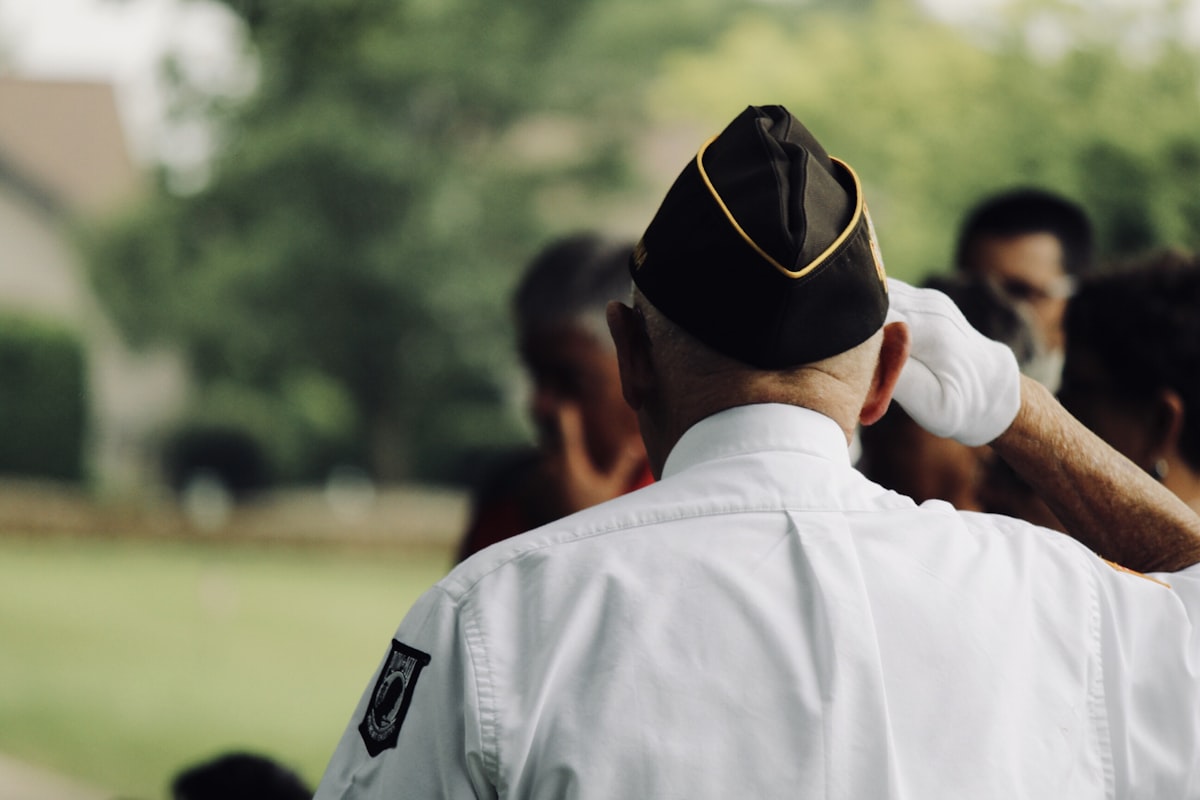
The military builds resilience, self-reliance, and an almost ironclad resistance to showing weakness. For those in uniform, these traits are not just valued — they are survival skills. But when a veteran comes home carrying PTSD, addiction, and the weight of things they cannot unsee, those same traits become a wall between them and the help they need.
Asking for help feels like failure. It feels like breaking a code that was drilled in for years. And in rural Utah and Idaho — where self-reliance is a cultural value that runs even deeper than military tradition — that wall can be nearly impossible to climb alone.
The numbers behind the silence
Roughly two-thirds of veterans who die by suicide were not connected to VA care in the year before their death. They were not in treatment. They were not asking for help. In many cases, they were actively avoiding it — not because they did not know help existed, but because accepting it felt impossible.
This is the gap that no hotline or awareness campaign fully closes. It takes human connection. It takes someone willing to go find the veterans who will not come forward on their own — and to sit with them long enough to earn their trust.
How OFH approaches the silence
We do not wait for veterans to find us. We go to them — to shelters, courtrooms, and communities across Utah and Idaho. We lead with shared experience, not clinical authority. And we stay. We do not hand veterans off to a system and walk away. We remain present through the hard parts of recovery because we know that consistency is what ultimately breaks through the silence.
If you know a veteran who is struggling and staying quiet about it, reach out to us. Sometimes the most powerful thing someone can do is make a single phone call on behalf of someone who won't make it themselves.